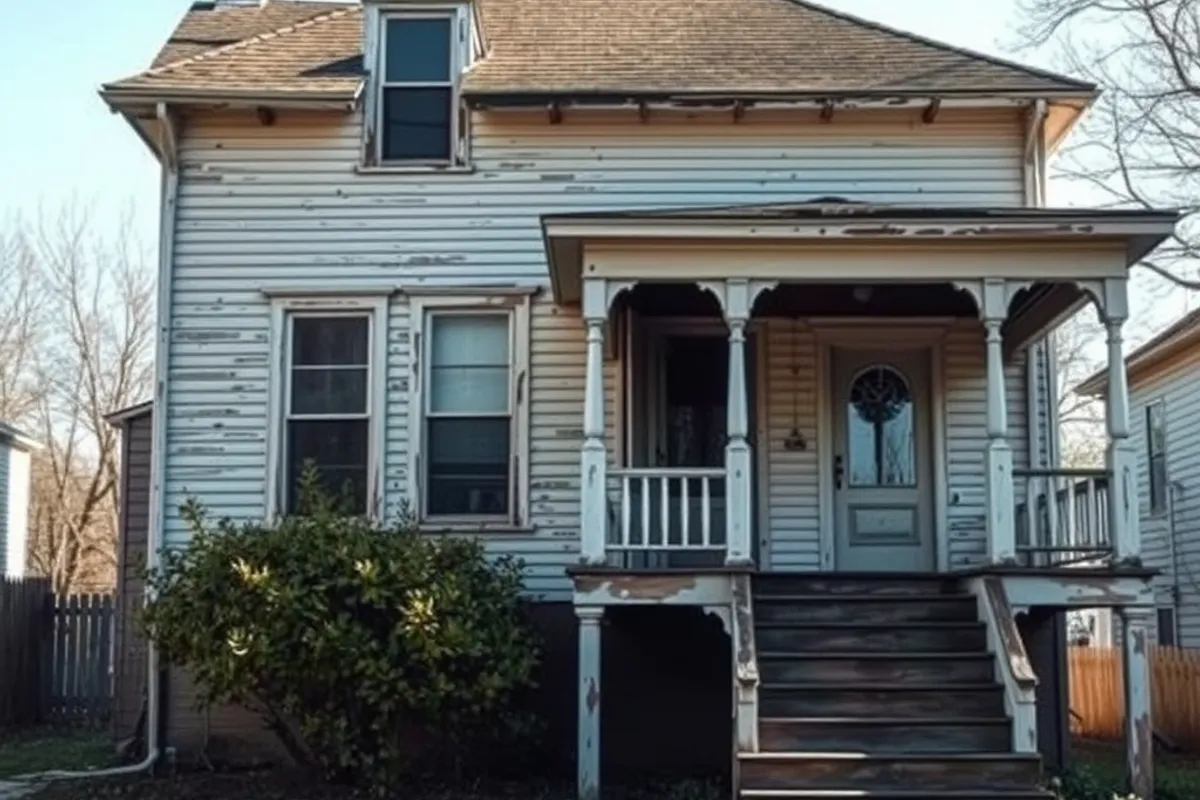
A fixer-upper is priced on what the seller sees, not on what the house needs. The gap between those two numbers is where buyers make money, and where they lose it.
We built a 2026 underwriting sheet from contractor bids, permit fees and resale data in several markets. It is deliberately conservative. A project that only works with optimistic numbers is not a project; it is a hope with a mortgage.
Estimate repairs before you fall in love
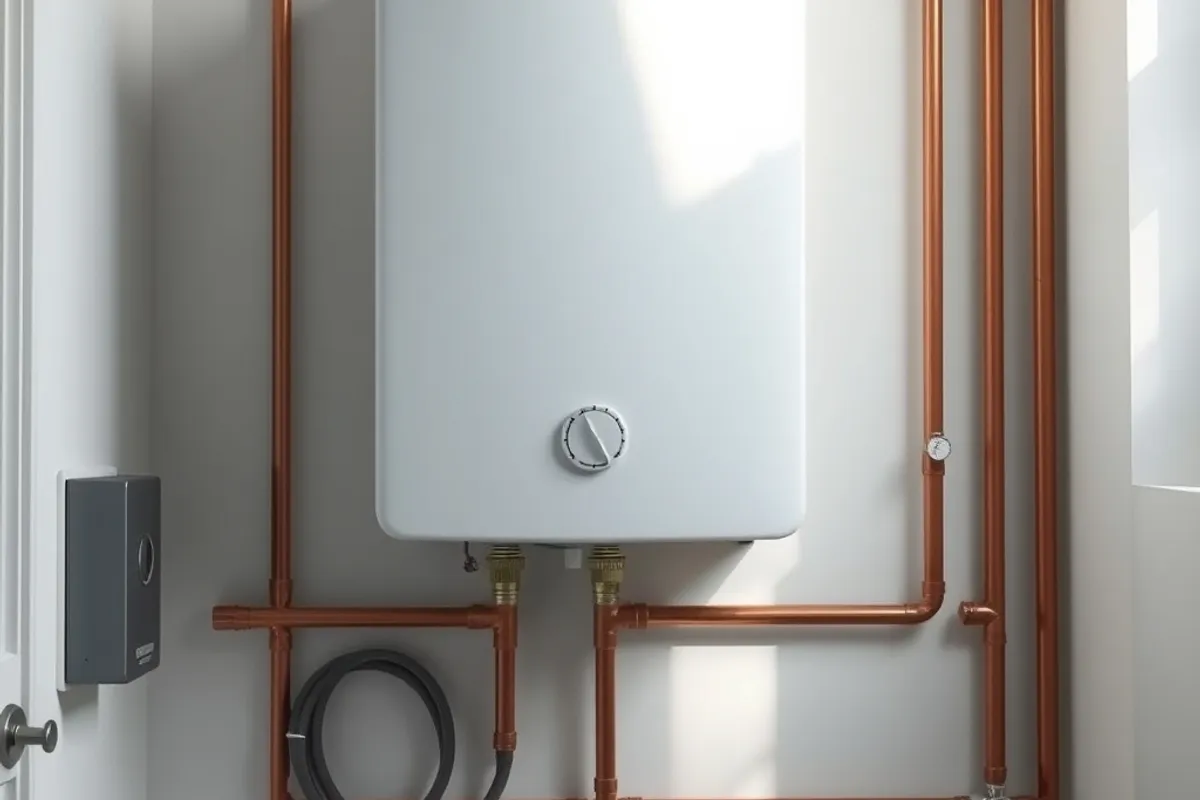
Walk the house with a contractor, not only an inspector. An inspection tells you what is wrong; a contractor tells you what it costs to fix. Price the big systems separately: roof, HVAC, electrical service, plumbing, foundation, windows and siding. Those six items decide most of the budget.
Use current local bids, not national averages. A roof that costs $9,000 in one market can cost $18,000 in another because of labour, snow load, access and permit rules. Add 15 to 20 percent contingency on top. Old houses always hide one surprise behind the drywall.
The after-repair value test
Estimate the finished value using recent sales of similar renovated homes within a mile. Then subtract the purchase price, the repair budget, the contingency, holding costs and selling costs. What remains is the margin. Most lenders and experienced flippers want at least 15 percent of the after-repair value, and more in a slow market.
Example: a house bought for $240,000 needs $70,000 of work and will be worth $380,000. Add $12,000 contingency, $18,000 holding costs and $24,000 selling costs. The margin is about $16,000, or 4 percent. That is thin for a project that may take nine months.

Holding costs people forget
Every month of ownership costs money: mortgage interest, taxes, insurance, utilities, lawn care and permit renewals. A vacant house also needs a builder's risk policy, which costs more than a standard homeowner policy. If the project takes twelve months instead of six, the extra six months can consume the entire margin.
Add the cost of money. A hard-money loan at 10 to 12 percent on $300,000 costs $2,500 to $3,000 a month before any repair is paid for. A conventional renovation loan may be cheaper but slower to close. Match the financing to the timeline, not to the brochure rate.
Permits, inspections and scope creep
Structural work, electrical service changes, gas lines and additions require permits. Permit fees are small compared with the delay of a failed inspection. Ask the local building department what the record shows for the house, including unpermitted work by previous owners. You may inherit a problem that costs more than the kitchen.
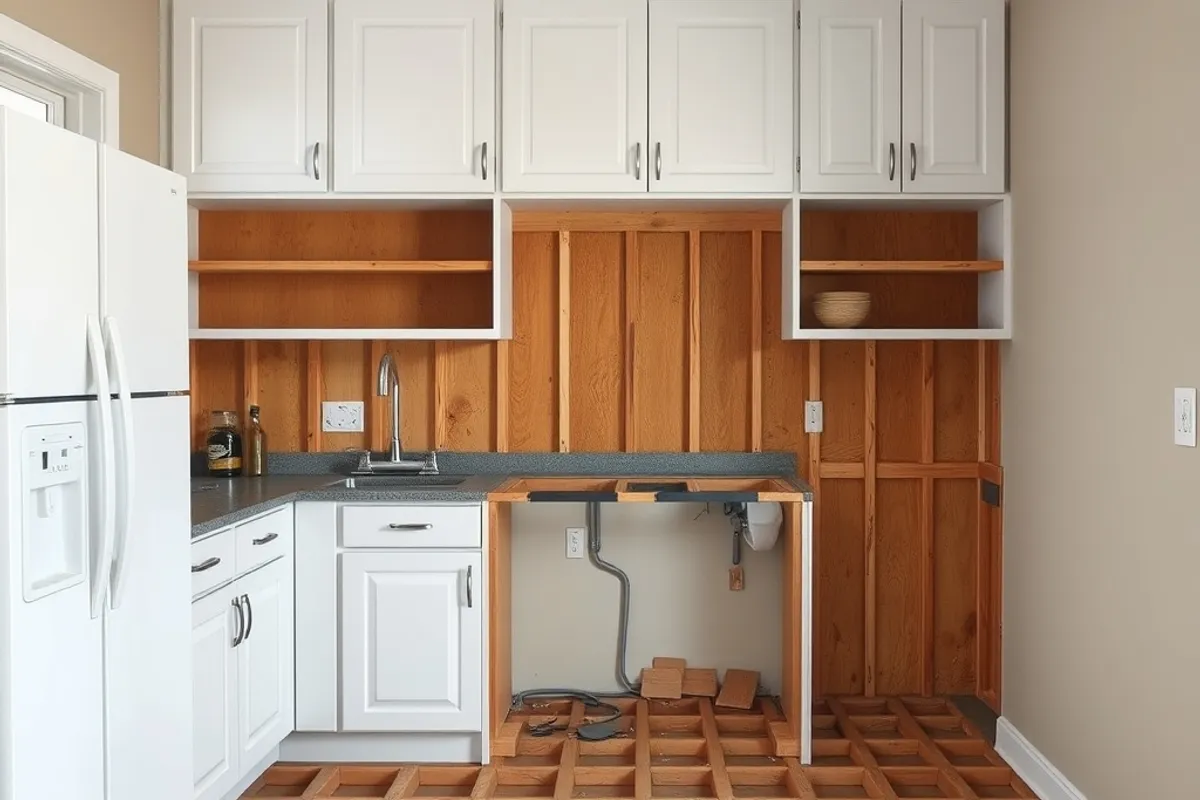
Scope creep is the quiet killer. A bathroom refresh becomes a full gut when the tile hides water damage. A new floor becomes a subfloor repair. Keep a written scope with allowances, and require a change order for anything outside it.
The profit in a fixer-upper is made at the purchase price. Everything after that is execution, and execution rarely beats the estimate.
Financing a fixer-upper in 2026
Renovation loans roll the purchase and the work into one mortgage, which can be useful for a primary residence. They require contractor bids, plans and inspections, and they take longer to close. Hard-money loans are faster but expensive and short. A cash purchase avoids interest but ties up capital that could cover the next opportunity.
Compare the total cost of each option, not just the rate. A loan with a low rate and a large draw schedule may leave you paying contractors from savings anyway. Ask how draws are released, who inspects the work and what happens if the project runs over budget.
Key facts
- Contingency: 15 to 20 percent of repair cost.
- Target margin: at least 15 percent of after-repair value.
- Holding costs: taxes, insurance, utilities and interest.
- Permits and inspections can reset the timeline.
- Price the big six systems before the cosmetics.
When to walk away
Walk when the foundation or the sewer line is failing and the price does not reflect it. Walk when the layout cannot be fixed without moving load-bearing walls. Walk when the neighbourhood resale ceiling is lower than your all-in number. Walk when the seller will not provide access for a contractor or an engineer.
A fixer-upper is a construction project with a mortgage attached. Treat it like one. If you are selling at the same time, read our seller net sheet guide so both sides of the move are costed. More market and ownership guides are on the Real Estate desk.