A tankless water heater is sold on two promises: endless hot water and a lower energy bill. The first is mostly true. The second is true in a narrow set of houses, and the payback is slower than the brochure suggests.
We priced replacement jobs in 2026 using installer quotes from four states, supplier invoices for condensing and non-condensing units, and utility data on household hot-water use. This guide separates the equipment price from the installation work that decides whether the job makes financial sense.
What a tankless install really costs in 2026
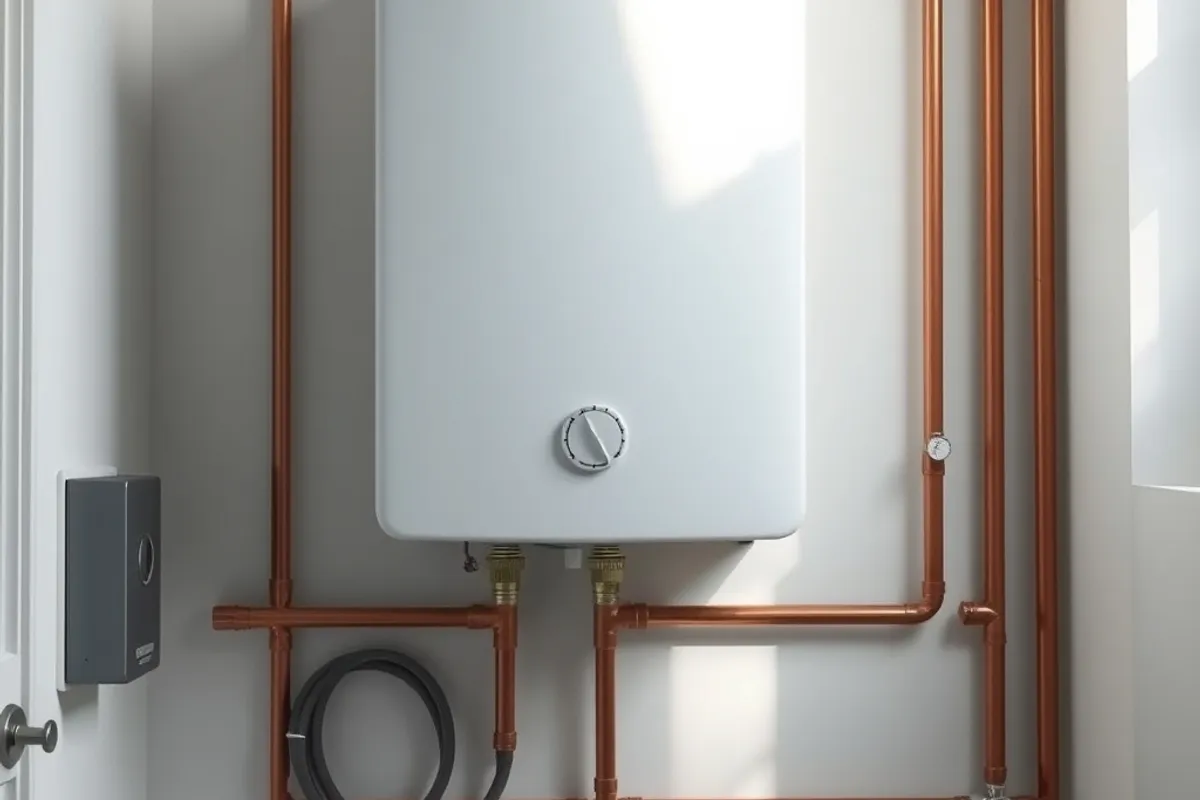
A mid-range gas tankless unit sells for $1,100 to $2,000. A condensing model with a stainless heat exchanger runs $1,800 to $3,000. The equipment is not the expensive part. Labour, gas line sizing, venting and permit work usually add $1,500 to $3,000, which puts a typical whole-house replacement at $3,000 to $6,000 installed.
A conventional 50-gallon tank heater, by contrast, costs $1,200 to $2,200 installed. That gap of roughly $2,000 to $4,000 is the number the payback has to close. Electric tankless units are cheaper to buy but often need a 120-amp dedicated circuit and a panel upgrade, which can erase the difference in a single line item.
The energy saving, without the sales gloss
Water heating accounts for about 18 percent of a typical home energy bill, or roughly $500 to $800 a year in most markets. A tankless unit avoids standby losses from a stored tank, so the realistic saving is 20 to 30 percent of that figure, not 50 percent. That works out to $100 to $240 a year.
Against an extra $3,000 of installed cost, simple payback lands between 12 and 30 years. The unit may not last that long. Tankless heaters commonly run 20 years with annual descaling, while tanks last 8 to 12 years, so the longer service life matters, but it does not turn a weak payback into a strong one.
The installation questions that decide the price
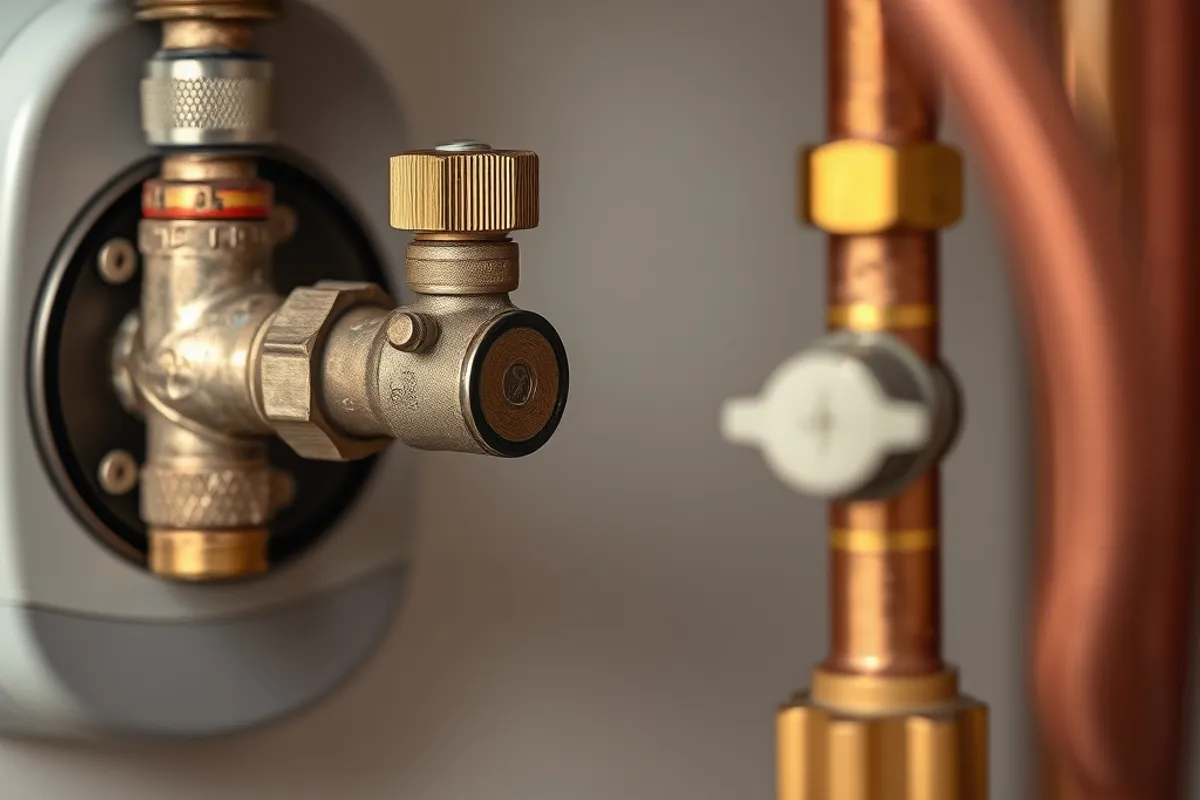
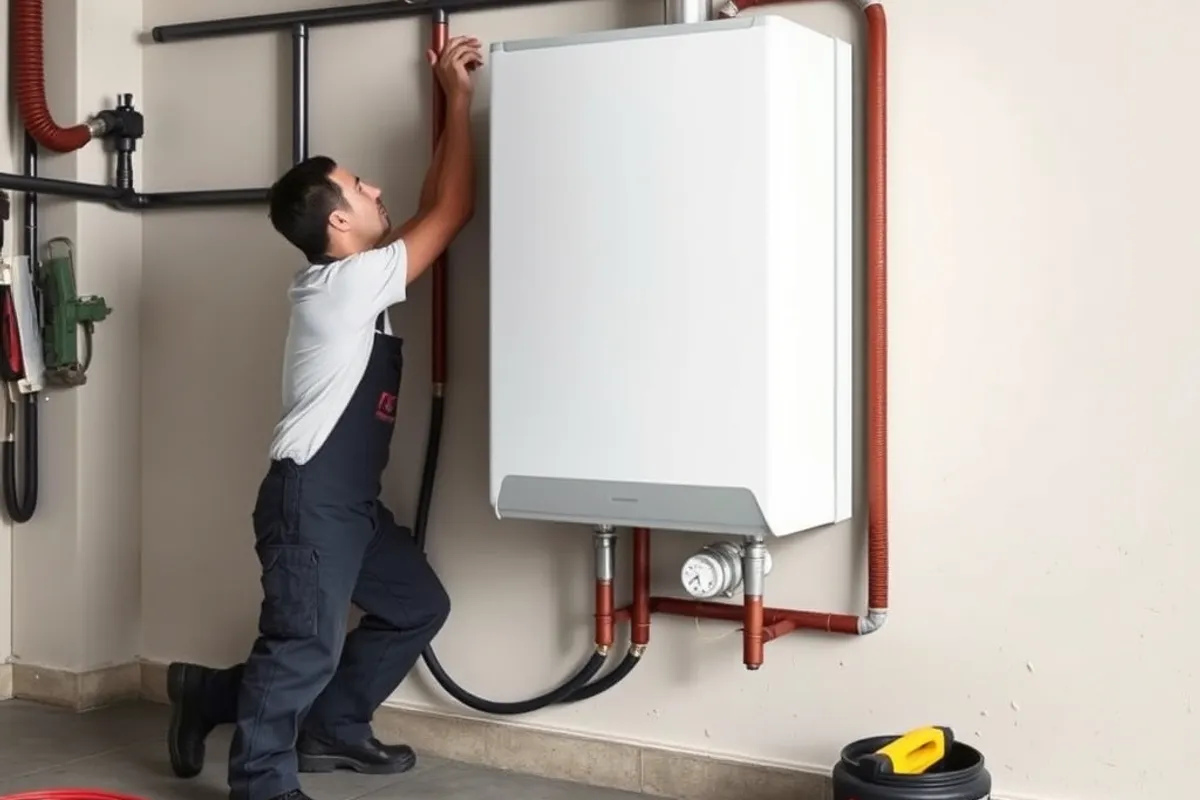
First, can the gas line carry the load? A tankless heater may draw 180,000 to 200,000 BTU per hour, which often requires a larger meter or a dedicated line. Upgrading a gas line can add $500 to $1,500. Second, where does the exhaust go? Condensing units need PVC venting and a condensate drain; non-condensing units need stainless steel venting that can cost more than the unit.
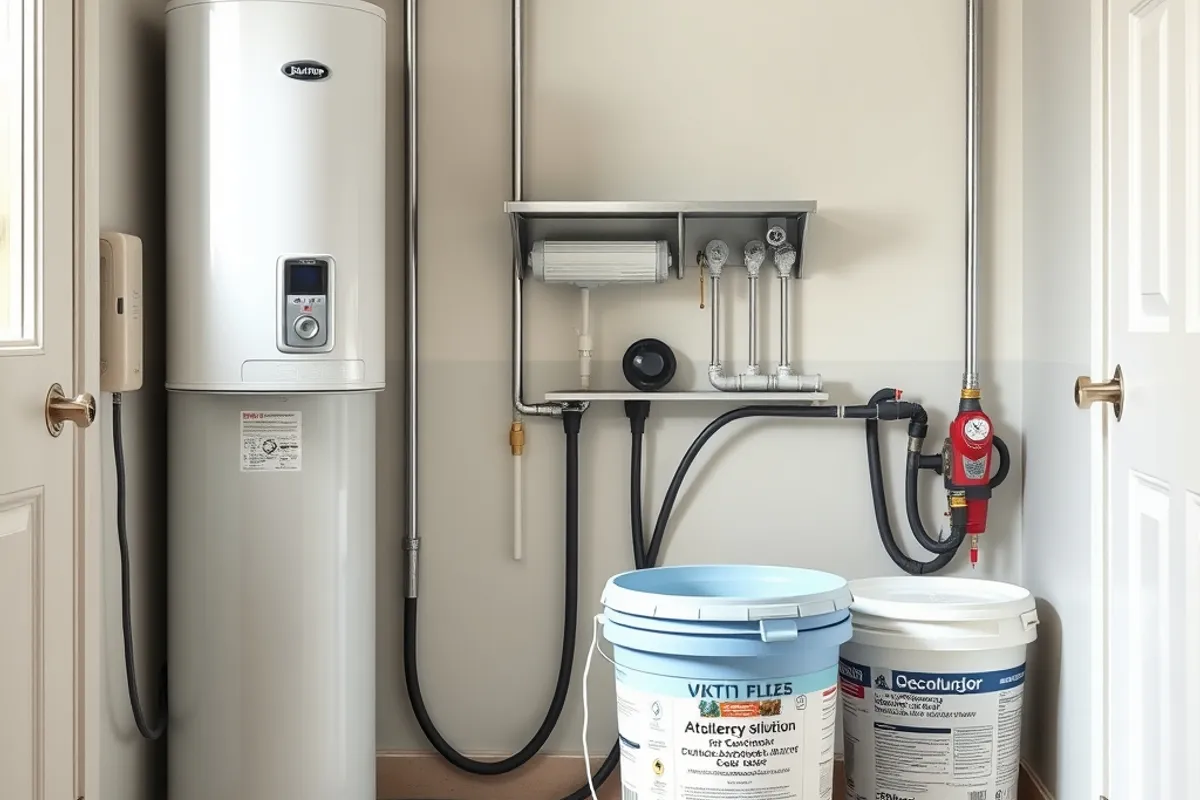
Third, how hard is the water? Scale shortens the heat exchanger life in hard-water areas. A descaling valve and an annual flush are not optional there, and a water softener may be the better first purchase. Fourth, how many fixtures run at once? A whole-house unit sized for two showers plus a dishwasher may not keep up with three bathrooms in use.
Tankless is a space and comfort upgrade first, an energy upgrade second. Buy it for the endless shower, not for the payback.
When tankless is the right call
It wins when floor space is tight, when the household runs out of hot water with a tank, and when the gas and venting work is straightforward. It also makes sense in a house with a long pipe run where a central tank wastes water waiting to heat. A point-of-use electric unit under a distant sink can solve that problem for a few hundred dollars.
It loses when the electrical panel is small, when the vent run is long, when the water is very hard, or when the current tank still has years left. In those cases a high-efficiency tank or a heat-pump water heater usually delivers a better return. A heat-pump model can cut water-heating energy by half, though it needs airspace and makes more noise.
Maintenance and the real lifetime cost
Budget $150 to $250 a year for descaling in a hard-water area, or buy the valves and do it yourself in under an hour. Neglect is what kills tankless units early, and a failed heat exchanger is rarely worth repairing. Keep the installation manual, the descaling record and the vent clear of obstructions.
If the unit is installed in a cold garage, protect the condensate line from freezing. A blocked drain can shut the heater down in winter, which is exactly when a household notices. Ask the installer what the freeze protection actually covers, because the answer varies by model.
Key facts
- Tankless installed: $3,000 to $6,000.
- Tank installed: $1,200 to $2,200.
- Realistic energy saving: 20 to 30 percent of water-heating cost.
- Simple payback: 12 to 30 years on energy alone.
- Annual descaling: $150 to $250 in hard water.
A better order of spending
Before replacing any water heater, fix the cheap losses. Insulate the first six feet of hot pipe, repair a dripping faucet and set the tank to 120 degrees Fahrenheit. Those steps cost little and show up on the next bill. Then decide whether the house needs more hot water or simply a better tank.
If the goal is a lower energy bill, air sealing and attic insulation usually pay back faster. Our room-by-room air sealing guide covers that work, and the Home Improvement desk has the rest of the sequence.