Lighting is the cheapest way to change how a room feels, and the most common thing homeowners get wrong. The mistake is not the fixture. It is relying on one fixture to do three jobs.
We planned lighting for 2026 renovations using a simple layer system, measured light levels and real bulb costs. This guide explains the layers, the colour temperatures that work at home and the dimming details that prevent flicker.
The three layers
Ambient light fills the room and lets you move safely. Task light is brighter and focused where you work: a counter, a desk, a reading chair. Accent light adds depth and highlights a wall, a plant or a piece of art. A comfortable room usually has all three, each on a separate switch.
Start with ambient light at about 10 to 20 lumens per square foot. A 150 square foot living room needs roughly 1,500 to 3,000 lumens spread across the ceiling, not concentrated in one bulb. Then add task light at 300 to 500 lumens where you read or cook, and accent light at 100 to 300 lumens.
Colour temperature, in plain terms
Warm light around 2700K to 3000K suits living rooms, bedrooms and dining areas. Neutral 3500K to 4000K works in kitchens, bathrooms and utility rooms where tasks matter. Daylight 5000K and above belongs in a workshop, not over a dinner table.
Keep one temperature per room, or at most two. Mixing a warm ceiling bulb with a cool desk lamp makes both look wrong. Buy dimmable bulbs from the same batch and check the label for a high colour rendering index, ideally 90 or above, so wood and fabric look natural.
Lumens, not watts
Watts measure power, not brightness. A 9-watt LED can produce 800 lumens, while an old 60-watt incandescent produced about the same. Read the lumen figure on the box and ignore the "equivalent wattage" claim unless you are replacing an existing bulb.
For a ceiling fixture, a 2,000 to 3,000 lumen output is a reasonable starting point in a living room. For a bedside reading lamp, 400 to 600 lumens aimed at the page is enough. More light is not automatically better; glare is what makes a room uncomfortable.
Dimming and switching
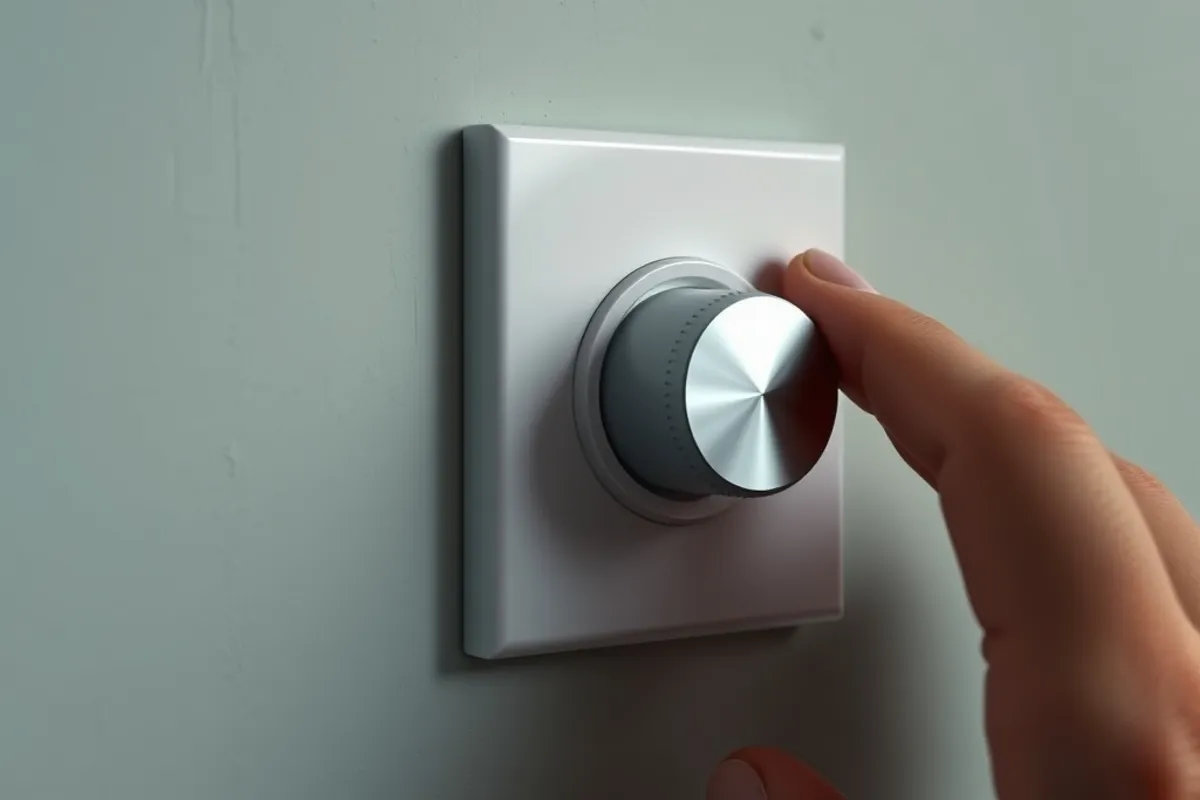
Every ambient and accent circuit should be dimmable. Use a dimmer rated for LED loads and check that the bulbs are compatible; older dimmers often cause flicker or buzz with modern LEDs. A trailing-edge dimmer is usually quieter than a leading-edge model.
Put task lights on their own switch or a smart plug so you can turn off the bright light without crossing the room. A three-way lamp gives a cheap version of the same control. In a bedroom, a dimmer by the door and a switch by the bed is worth the extra wiring.
Good lighting is not brighter. It is layered, dimmable and pointed at the right surface.
Room-by-room plan
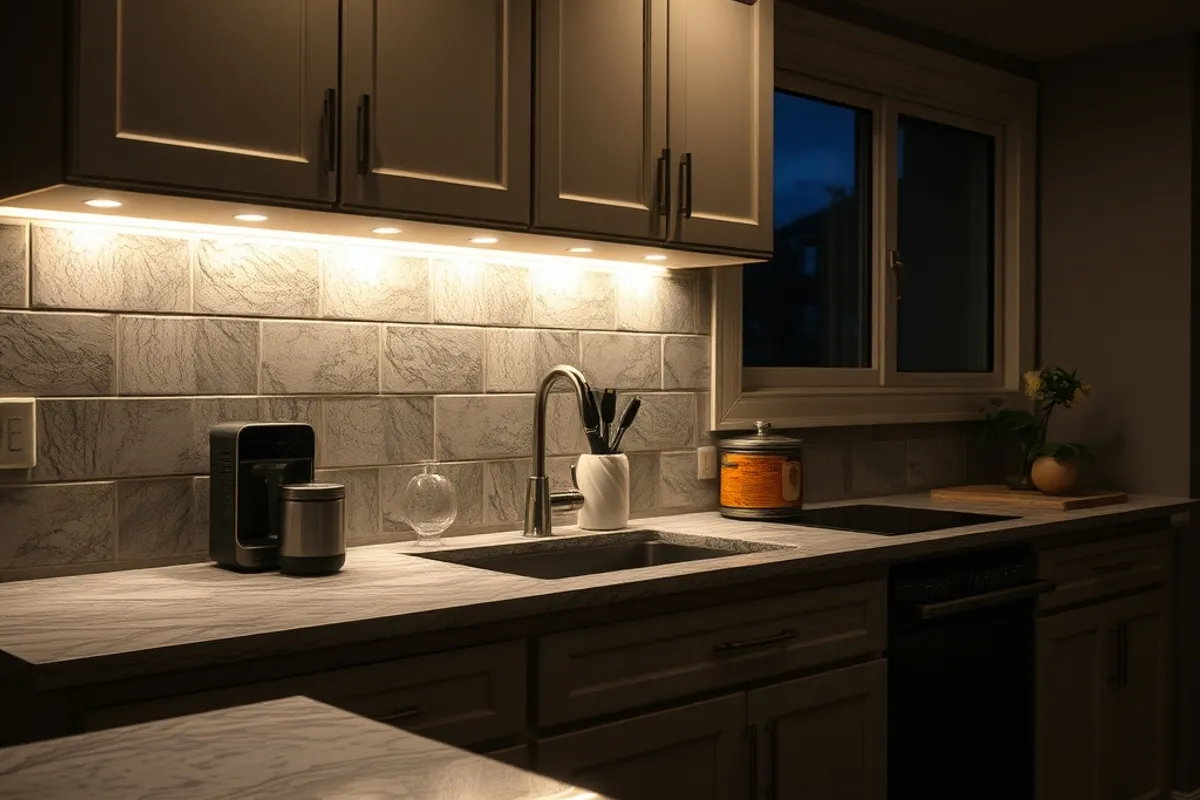
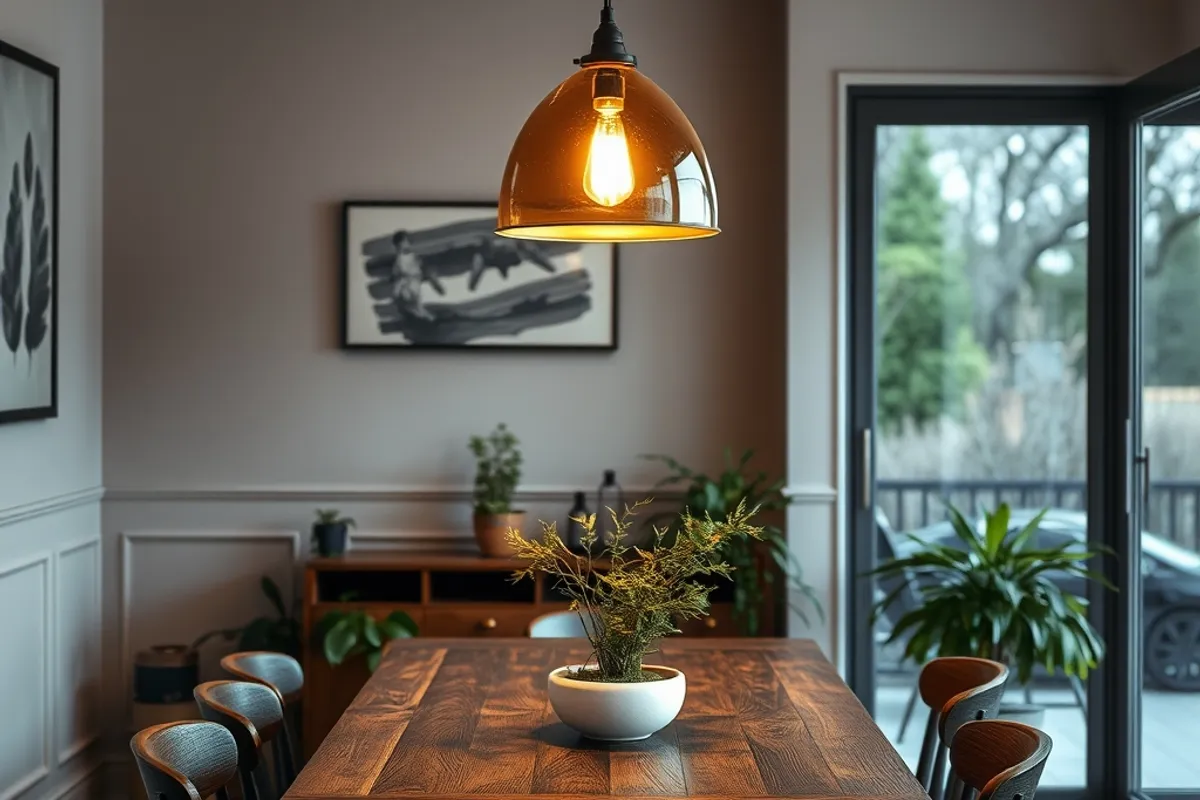
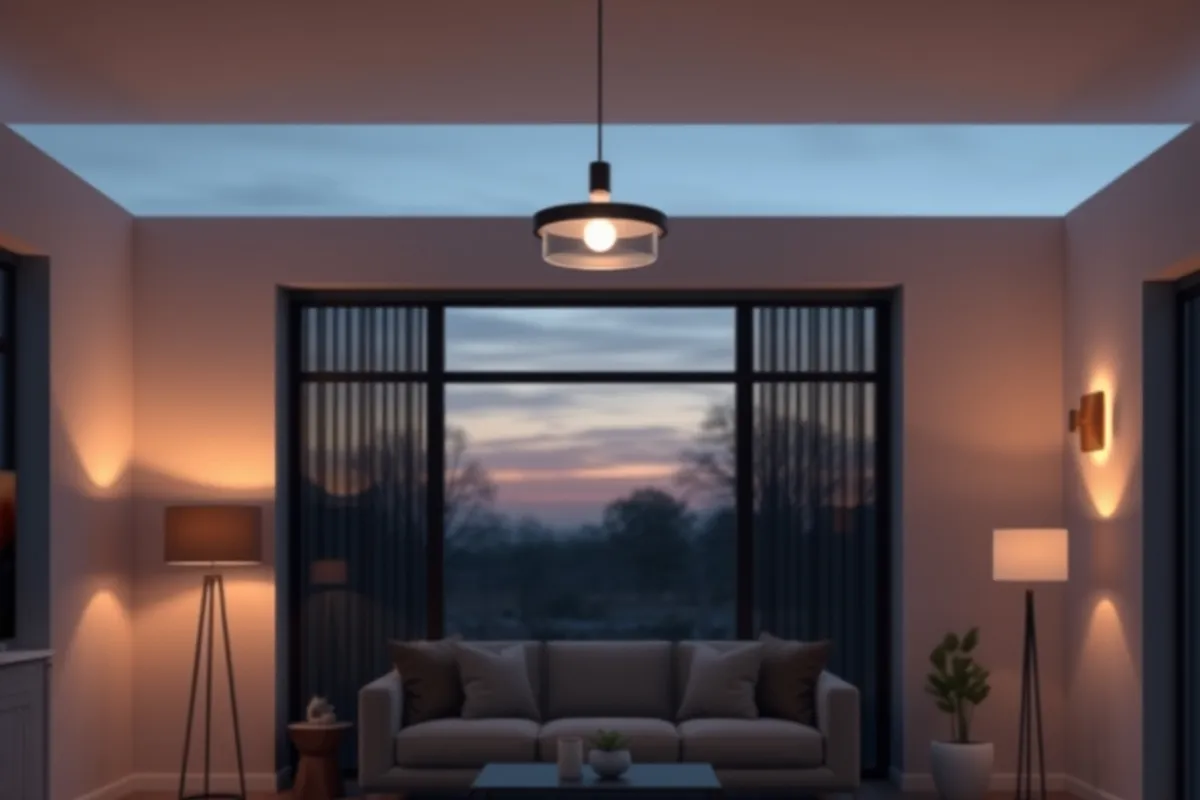
In a living room, use a dimmable ceiling or pendant for ambient light, a floor lamp beside the sofa for reading, and a wall wash or picture light for accent. In a kitchen, use under-cabinet strip lights for the counter, a ceiling layer for the room and pendant lights over an island. In a bathroom, light the mirror from both sides rather than directly above, which casts shadows on the face.
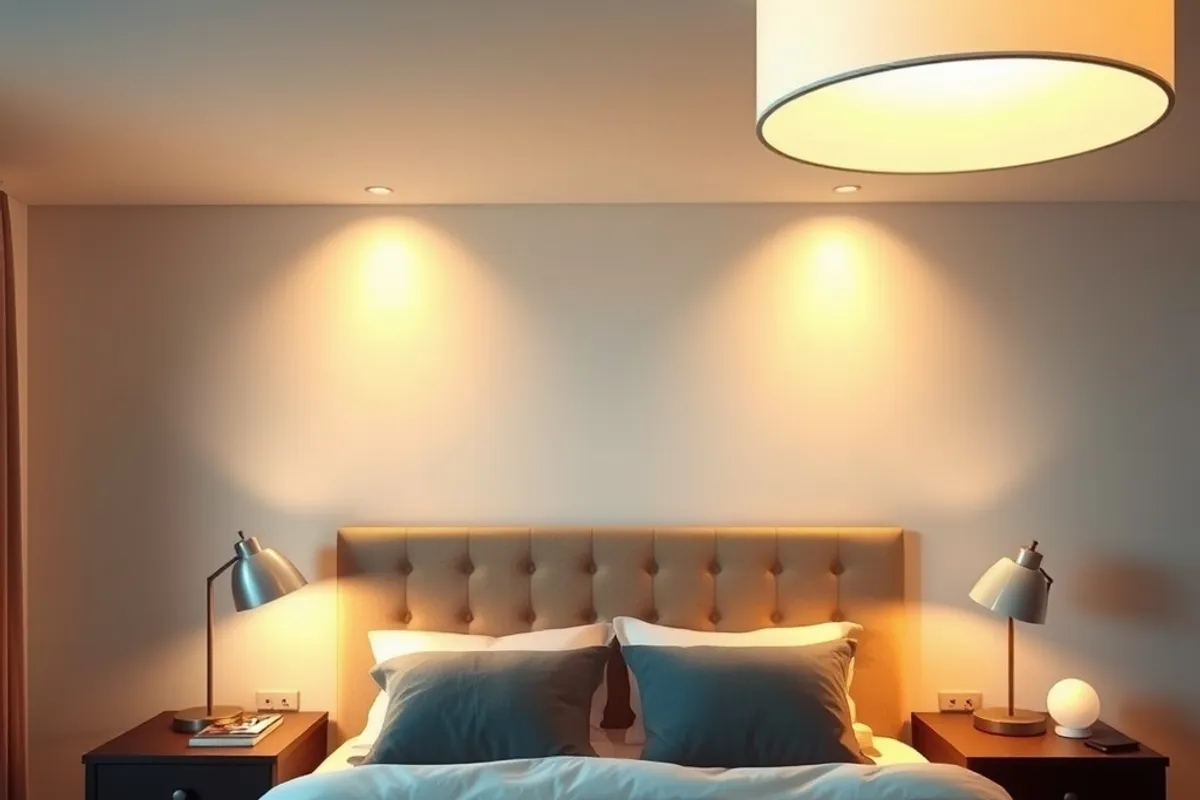
In a bedroom, avoid a single bright ceiling light. Use two bedside lamps, a softer ceiling fixture and a small accent light on a dresser. In a hallway, wall sconces at shoulder height are more useful than a ceiling globe, and they make the corridor feel longer.
Fixtures and the budget
You do not need expensive fixtures to get good light. A $40 linen shade on a $15 base can look better than a designer pendant with the wrong bulb. Spend on what you touch and see: the shade, the diffuser and the dimmer. Save on the parts that disappear into the ceiling.
For recessed lights, choose a deep baffle or a diffuse lens to reduce glare. Avoid placing downlights directly over a sofa or bed, where they shine into the eyes. A simple rule is to light the walls and the task, not the top of someone's head.
Key facts
- Ambient: 10 to 20 lumens per square foot.
- Task: 300 to 500 lumens at the work surface.
- Warm white: 2700K to 3000K for living spaces.
- Use dimmers rated for LED loads.
- Keep one colour temperature per room.
A weekend lighting refresh
List every light source in the room and note its job. Replace any bulb that is the wrong temperature. Add one task light and one accent light, both on switches you can reach from where you sit. Dim the ambient circuit and live with it for a week before buying more.
If the room is also short on storage, see our small bedroom storage plan. More interior guides are on the Interior desk.